
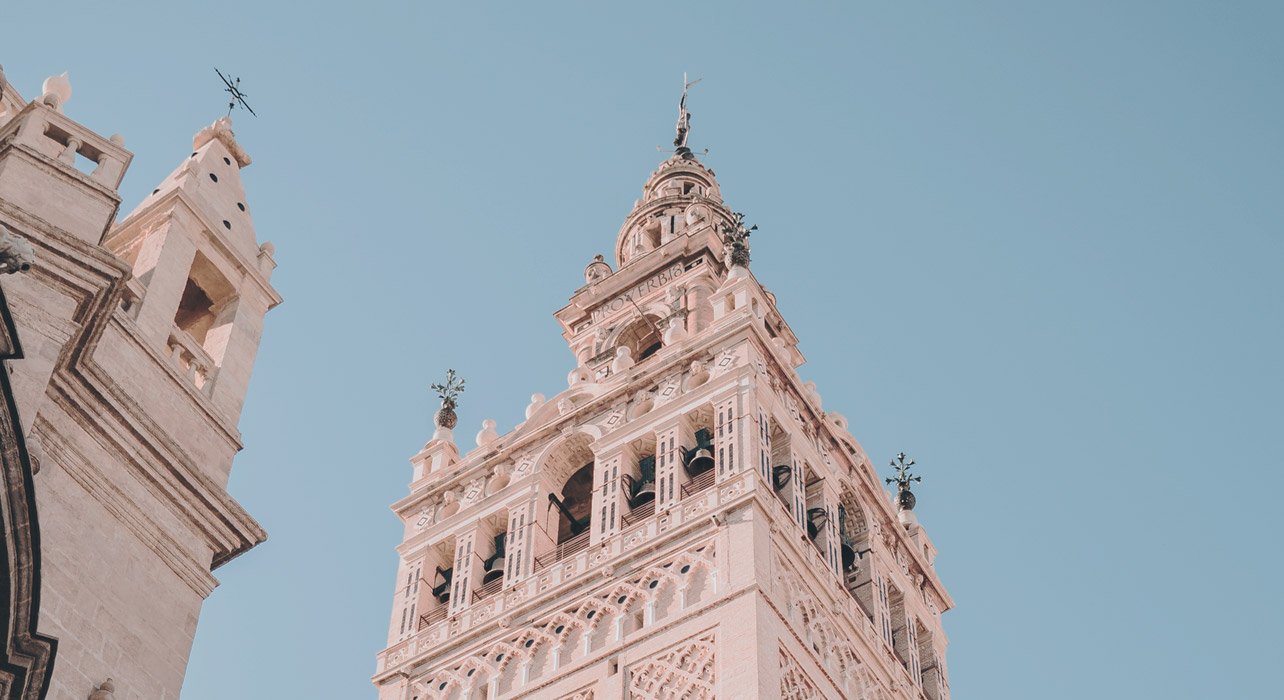
Seville is a city steeped in history, where every cobblestone and alleyway tells a story. Among its most enchanting neighborhoods is the Jewish Quarter (Judería) of Santa Cruz, a labyrinth of narrow streets, whitewashed houses, and hidden plazas that whisper tales of Sephardic heritage.
If you’re planning a visit to Seville, a Jewish Quarter tour is a must—not just for history lovers, but for anyone who wants to experience the soul of this Andalusian gem. Join me as we uncover the secrets of Seville’s Jewish past, from its golden age to its tragic end, and discover why this neighborhood remains one of the most captivating parts of the city.
A Brief History of the Jewish Quarter in Seville
Before diving into the streets of Santa Cruz, it’s essential to understand the historical significance of Seville’s Jewish community.
The Golden Age of Sephardic Jews in Seville
Jews have lived in Seville since Roman times, but their presence flourished under both Visigothic and later Muslim rule. By the 12th century, Seville’s Jewish community was one of the most prominent in Spain, contributing to science, medicine, philosophy, and commerce.
The Jewish Quarter (Judería) was located near the Alcázar and the Cathedral, a prime area that reflected the community’s importance. At its peak, it housed synagogues, schools, and a vibrant cultural life.
Persecution and the Spanish Inquisition
Tragically, the 14th and 15th centuries brought waves of persecution. In 1391, one of the worst pogroms in Spanish history erupted in Seville, leading to the massacre and forced conversion of thousands of Jews. Those who remained faced increasing pressure under the Spanish Inquisition (1478), culminating in the Alhambra Decree of 1492, which ordered the expulsion of all Jews who refused to convert to Christianity.
Despite this dark chapter, the Jewish Quarter’s legacy lives on in its streets, architecture, and hidden symbols.
Highlights of a Jewish Quarter Tour in Seville
Walking through Santa Cruz today, you’ll find traces of Seville’s Jewish past intertwined with its vibrant present. Here are the must-see stops on a Jewish Quarter tour:
- The Streets of Santa Cruz
Once the heart of the Jewish Quarter, Santa Cruz is now a picturesque neighborhood filled with orange trees, flower-adorned patios, and charming squares. Key streets to explore include:
- Callejón del Agua – A narrow alley that once bordered the Jewish Quarter’s wall.
- Calle Judería – The namesake street of the old Jewish district.
- Plaza de Santa Cruz – A serene square marking the site of a former synagogue.
- The Old Synagogue (Now the Church of Santa María la Blanca)
One of the most poignant sites in the Jewish Quarter is the Church of Santa María la Blanca, originally a synagogue built in the 13th century. After the pogrom of 1391, it was converted into a church, yet its Mudejar architecture still reflects its Jewish origins.
- The House of Murillo & Sephardic Symbols
As you wander, keep an eye out for mezuzah marks (small indentations on doorframes where Jewish families once placed sacred scrolls). Some houses, like those near Plaza de losVenerables, still bear these subtle reminders.
- The Tomb of Ferdinand III (In the Cathedral)
Inside Seville’s grand Cathedral lies the tomb of King Ferdinand III, who conquered Seville in 1248. Interestingly, his tomb features inscriptions in Latin, Castilian, Arabic, and Hebrew, symbolizing the city’s multicultural past.
- The Alcázar’s Jewish Connection
The Real Alcázar, Seville’s stunning royal palace, was built by King Pedro I in the 14th century with the help of Jewish and Muslim artisans. Its intricate designs reflect the collaboration of these three cultures.
Why Take a Guided Jewish Quarter Tour?
While exploring Santa Cruz on your own is delightful, a guided Jewish Quarter tour offers deeper insights:
- Hidden History: Experts point out details you might miss, like Hebrew inscriptions or medieval mikvehs (ritual baths).
- Cultural Context: Learn about the lives of famous Sephardic figures, such as Rabbi Ben-Zion Ibn Danan or Don Isaac Abravanel.
- Legacy of the Sephardim: Understand how Jewish traditions influenced Andalusian cuisine, language, and customs.
Visiting Today: A Living Legacy
Though Seville’s Jewish community never fully recovered after 1492, recent years have seen a revival of interest in Sephardic heritage. The Spanish government now offers citizenship to descendants of expelled Jews, and cultural events celebrate this reconnection.
As you stroll through Santa Cruz, you’ll feel the echoes of the past—a testament to resilience and memory. Whether you’re drawn by history, architecture, or simply the magic of Seville, the Jewish Quarter tour is an unforgettable experience.
Final Tips for Your Visit – Seville Jewish Quarter Tour
✅ Best Time to Go: Early morning or late afternoon to avoid crowds.
✅ Guided Tours: Book with a specialist in Jewish heritage for the richest experience.
✅ Nearby Eats: Try Sephardic-inspired dishes like berenjenas con miel (fried eggplant with honey).
Seville’s Jewish Quarter is more than just a historic site—it’s a story of coexistence, tragedy, and enduring spirit. Walking its streets is a journey through time, one that leaves a lasting impression on every traveler.
Have you explored Seville’s Jewish heritage? Share your thoughts in the comments!
¡Hasta pronto! 🌸
Estela
SevilleWithEstela.com


